
How Much Do You Really Know About Recycled Materials in Drinkware? (Part 8)
There are stories in every cup, and warmth in daily life. Hello everyone, welcome to "Dong Dong's Cup Talk". I wrote about recycled materials in the drinkware industry back in 2024. Though only two years have passed, I’ve realized my understanding of recycled materials at that time was incomplete. Like many people today, I held a misconception: “Any cup or kettle made from recycled materials is unsafe, unhealthy and low-quality, and will harm human health with long-term use.” With this biased viewpoint, https://www.zhanyict.com/en/ProductsDetail-VB-10538.htmlnaturally, the content I wrote back then contained inaccurate understandings. Over these two years, working with more and more buyers, especially those from the European market, I have gained a much more holistic understanding of “recycled materials”.
Now in mainstream European procurement systems, especially among influential brands, drinkware products made with compliant recycled materials are strongly promoted. https://www.zhanyict.com/en/ProductsDetail-VB-10538.htmlBrands even include the proportion of recycled content as a core KPI for ESG environmental assessment.
So why is public perception of “recycled materials” completely different from industry standards and international market trends? What is the essential difference between toxic, low-grade recycled scrap and high-quality compliant recycled materials? For mainstream materials used in drinkware including PP, PC, AS, https://www.zhanyict.com/en/ProductsDetail-VB-10538.htmlsilicone and stainless steel, what exactly are the differences in performance, safety and service life between virgin materials and recycled materials? Today, after careful analysis and extensive research, I revisit this topic on recycled materials. If you find what I share helpful, don’t forget to give me a like.
Attention please. Next, I will compare virgin materials and recycled materials for mainstream drinkware materials in various aspects. Those interested should read carefully.
To help you intuitively distinguish premium virgin materials, compliant recycled materials and inferior recycled scrap, https://www.zhanyict.com/en/ProductsDetail-VB-10538.htmlI draw on market sampling test data and real factory production cases to break down the core differences between virgin materials and low-grade recycled scrap for seven major materials in the drinkware sector. All content is based on real production and testing scenarios with no fictional information.
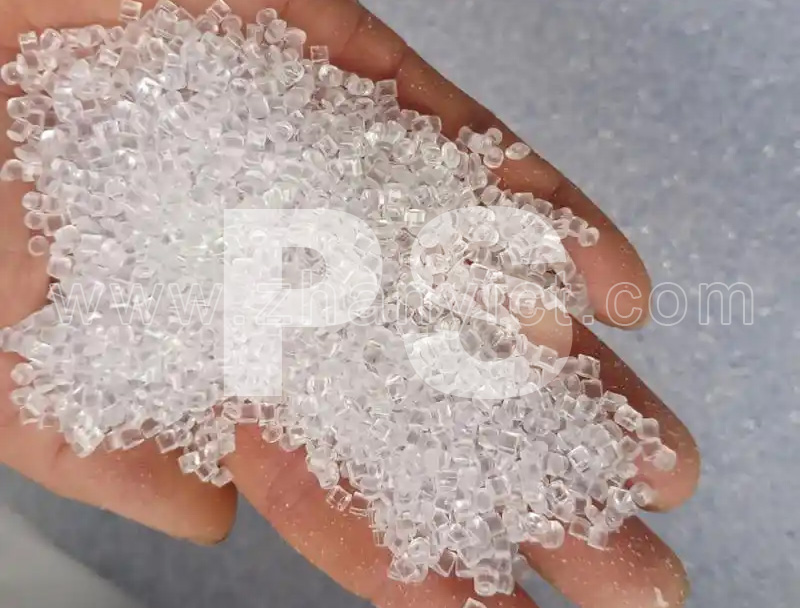
4. PS Material (Commonly used for disposable cups and simple water containers)
Color difference: Virgin food-grade PS is bright white, transparent with uniform color, free of discoloration and black specks. https://www.zhanyict.com/en/ProductsDetail-VB-10538.htmlFinished products made from inferior recycled PS are generally greyish or yellowish, with poor transparency and obvious impurity particles. Color consistency varies widely across batches.
Performance difference: Virgin PS is lightweight with moderate hardness, good molding performance and resistant to soaking in room-temperature drinking water. PS made from poor recycled scrap suffers severe molecular aging. https://www.zhanyict.com/en/ProductsDetail-VB-10538.htmlThe material is brittle and has extremely poor heat resistance. It will soften, deform and release odd odors when exposed to hot water above 60°C.
Durability difference: PS is inherently a single-use material. Virgin PS can meet requirements for short-term safe use. Inferior recycled PS has an extremely unstable structure; it breaks easily and sheds particles, and cannot be reused.
Hazards and consequences: Most inferior recycled PS comes from waste packaging and industrial foam scraps, containing large amounts of residual chemical solvents. https://www.zhanyict.com/en/ProductsDetail-VB-10538.htmlIt tends to release harmful gases and substances under heat. Long-term use may cause dizziness and gastrointestinal discomfort. This is the primary hazard of cheap, low-quality disposable water cups.
Real case evidence: In 2024, authorities in Zhengzhou, Henan seized a batch of low-cost disposable PS cups sold at night markets and supermarkets. All involved products were manufactured from recycled waste PS foam packaging without any purification treatment. Laboratory tests showed that pouring 60°C hot water into the cups triggered rapid release of pungent odors, https://www.zhanyict.com/en/ProductsDetail-VB-10538.htmlwith the overall migration of hazardous substances exceeding the standard threefold. Long-term consumption of water from these cups could lead to gastrointestinal discomfort, dizziness and nausea. More than 120,000 pieces of these defective cups were destroyed. (Source: Special Rectification Case on Disposable Tableware, Zhengzhou Administration for Market Regulation, 2024)
There are stories in the cup, and life has warmth. Use the right cup and choose the right factory. We have dozens of patented cup and pot products and provide OEM services to the world. We have dozens of professional engineers who provide cup and pot product development services to the world. We have multiple complete current cup and pot product production lines to provide OEM services to the world. Dongguan Zhan Yi Commodity Technology Co.,Ltd. attaches great importance to contracts and quality. We welcome global merchants to conduct on-site factory inspections and in-depth cooperation.