
How Much Do You Really Know About Recycled Materials in Drinkware? (Part 7)
There are stories behind every cup, and warmth in daily life. Hello everyone, welcome to "Dong Dong's Cup Talk". I wrote about recycled materials in the drinkware industry back in 2024. Though only two years have passed, I’ve realized my understanding of recycled materials in this sector back then was incomplete. https://www.zhanyict.com/en/ProductsDetail-VB-10525.html Like most people today, I held a misconception: any cup or vessel made from recycled materials is unsafe, unhealthy and inferior, and long-term use will harm human health.
Guided by this biased view, naturally, my previous articles contained inaccurate understandings. Over these two years, communicating with numerous clients, especially those from the European market, https://www.zhanyict.com/en/ProductsDetail-VB-10525.html has helped me build a more comprehensive understanding of "recycled materials".
Now within major European procurement systems, particularly influential brands, cup and vessel products made from compliant recycled materials are strongly promoted. https://www.zhanyict.com/en/ProductsDetail-VB-10525.html Brands even include the proportion of recycled material usage as a core metric in their ESG environmental assessments.
So why is public perception so different from industry standards and global market trends when it comes to "recycled materials"? What is the fundamental difference between toxic, low-grade recycled scraps and high-end compliant recycled materials? For mainstream materials used in drinkware including PP, PC, AS, silicone and stainless steel, what exactly are the gaps in performance, safety and service life between virgin materials and recycled alternatives? https://www.zhanyict.com/en/ProductsDetail-VB-10525.html Today, after in-depth analysis and extensive literature review, I revisit the topic of recycled materials. If you find this sharing helpful, don’t forget to give me a like.
Attention please! Next, I will compare virgin materials and recycled materials for mainstream drinkware materials in various aspects. Those interested should read carefully.
To help you intuitively distinguish between premium virgin materials, compliant recycled materials and low-grade recycled scraps, https://www.zhanyict.com/en/ProductsDetail-VB-10525.html I will break down the core differences between virgin materials and inferior recycled scraps for seven mainstream drinkware materials, drawing on market sampling data and on-site factory production test cases. All content is based on real production and testing scenarios, with no fictional information.
3. AS (Commonly used for high-transparency water bottles, teacups and cup lids)
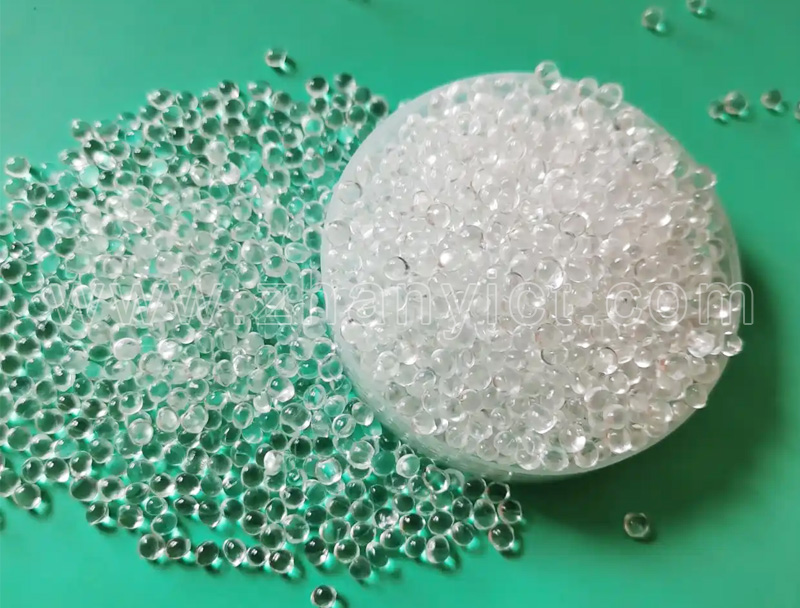
Color difference: Virgin AS material is crystal clear with high light transmittance and gloss, free of color deviation and specks, https://www.zhanyict.com/en/ProductsDetail-VB-10525.html delivering a premium transparent finish. Products made from inferior recycled AS appear yellowish and dull, with uneven light transmission. Tiny visible impurities and streaks are trapped inside, resulting in a rough, cheap texture overall.
Performance difference: Virgin AS features high hardness, excellent light transmission, heat resistance around 90°C, good shape retention and strong scratch resistance. Inferior recycled AS has extremely poor toughness and is brittle, with drastically reduced heat resistance. https://www.zhanyict.com/en/ProductsDetail-VB-10525.html It tends to turn white and deform when exposed to hot water, and may crack easily under alternating hot and cold conditions.
Durability difference: Virgin AS products are wear-resistant and robust, resisting yellowing and fogging after prolonged use. Inferior recycled AS will yellow, lose gloss and develop mottled surfaces after only a short period of use, https://www.zhanyict.com/en/ProductsDetail-VB-10525.html with a service life of less than one year.
Hazards and consequences: Inferior recycled AS is mostly processed from waste industrial AS scraps, containing residual styrene monomers and processing additives. These substances readily volatilize and leach out under high temperatures. https://www.zhanyict.com/en/ProductsDetail-VB-10525.html Long-term contact with drinking water causes chronic irritation to the human respiratory tract and digestive system.
Real case evidence: In 2025, a batch of viral high-transparency AS teacups and bottle lids were sampled in Xiamen, Fujian. All 12 non-compliant products were manufactured from inferior recycled AS. https://www.zhanyict.com/en/ProductsDetail-VB-10525.html Tests showed styrene monomer leaching exceeded the standard by 1.9 times after contact with boiling water. Short-term use may cause odd taste in the mouth and dry sore throat; long-term use leads to chronic respiratory damage. These low-cost viral products were once popular on major short-video platforms with sales exceeding 100,000 units. (Source: 2025 Quality Sampling Inspection Notice of Daily Consumer Goods, Xiamen)
There are stories in the cup, life has warmth, use a good cup to enjoy a healthy life. We provide OEM business to more than 100 companies around the world, and produce more than 3 million pieces of various stainless steel/plastic cups and pots annually. Honoring promises, keeping reputation, ensuring quality and quantity, and delivering on time are our service principles and our professional commitment. Dongguan Zhan Yi Commodity Technology Co.,Ltd. welcomes global merchants to conduct on-site factory inspections and in-depth cooperation.