
How Much Do You Really Know About Recycled Materials in Drinkware? (Part 6)
There are stories behind every cup, and warmth in daily life. Hello everyone, welcome to "Dong Dong's Cup Talk". I wrote about recycled materials in the drinkware industry back in 2024. Though only two years have passed, I’ve realized my understanding of recycled materials in this sector back then was incomplete. https://www.zhanyict.com/en/ProductsDetail-VB-10532.html Like most people today, I held a misconception: any cup or vessel made from recycled materials is unsafe, unhealthy and inferior, and long-term use will harm human health.
Guided by this biased view, naturally, my previous articles contained inaccurate understandings. Over these two years, communicating with numerous clients, especially those from the European market, https://www.zhanyict.com/en/ProductsDetail-VB-10532.html has helped me build a more comprehensive understanding of "recycled materials".
Now within major European procurement systems, particularly influential brands, cup and vessel products made from compliant recycled materials are strongly promoted. https://www.zhanyict.com/en/ProductsDetail-VB-10532.html Brands even include the proportion of recycled material usage as a core metric in their ESG environmental assessments.
So why is public perception so different from industry standards and global market trends when it comes to "recycled materials"? What is the fundamental difference between toxic, low-grade recycled scraps and high-end compliant recycled materials? For mainstream materials used in drinkware including PP, PC, https://www.zhanyict.com/en/ProductsDetail-VB-10532.html AS, silicone and stainless steel, what exactly are the gaps in performance, safety and service life between virgin materials and recycled alternatives? Today, after in-depth analysis and extensive literature review, I revisit the topic of recycled materials. If you find this sharing helpful, don’t forget to give me a like.
Attention please! Next, I will compare virgin materials and recycled materials for mainstream drinkware materials in various aspects. Those interested should read carefully.
To help you intuitively distinguish between premium virgin materials, compliant recycled materials and low-grade recycled scraps, I will break down the core differences between virgin materials and inferior recycled scraps for seven mainstream drinkware materials, drawing on market sampling data and on-site factory production test cases. https://www.zhanyict.com/en/ProductsDetail-VB-10532.html All content is based on real production and testing scenarios, with no fictional information.
2. PC (Widely used in old-style transparent water bottles and large-capacity sports bottles)
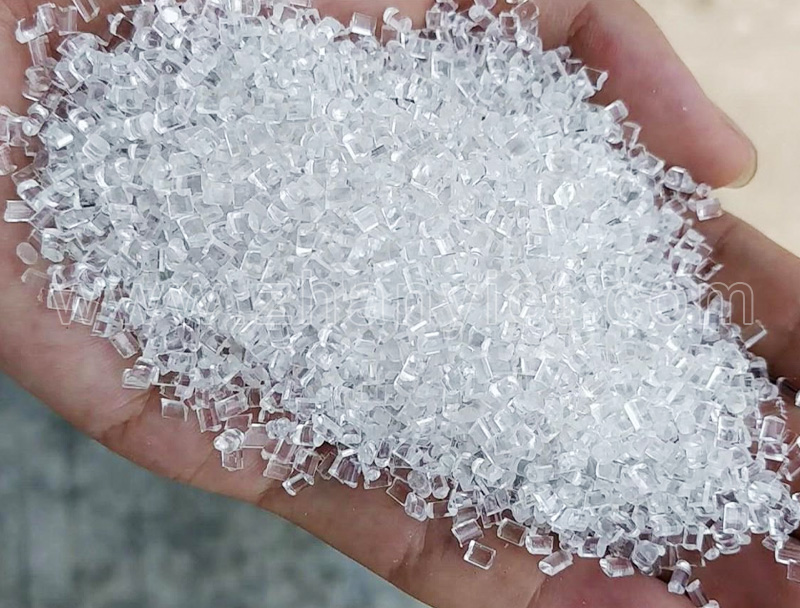
Color difference: Virgin food-grade PC boasts extremely high transparency comparable to glass, fully clear with no impurities and full luster. https://www.zhanyict.com/en/ProductsDetail-VB-10532.html Products made from inferior recycled PC have poor clarity with a hazy cloudy appearance. Fine flocculent impurities and air bubbles are trapped inside; the color is dull with very low light transmittance.
Performance difference: Virgin PC features strong impact resistance, high hardness, heat resistance up to 100°C, good deformation resistance and excellent load-bearing and compression performance. https://www.zhanyict.com/en/ProductsDetail-VB-10532.html The molecular structure of inferior recycled PC suffers severe aging, and its impact resistance drops sharply. It cracks upon minor impact and tends to soften and bulge when filled with hot water.
Durability difference: Virgin PC water bottles are wear-resistant and robust, showing no obvious deterioration after 1–2 years of normal use. Inferior recycled PC scratches and abrades easily. https://www.zhanyict.com/en/ProductsDetail-VB-10532.html After half a year of use, surface fogging, cracking and overall embrittlement will occur.
Hazards and consequences: PC inherently contains Bisphenol A (BPA). Virgin food-grade PC keeps BPA content within national standard limits. However, inferior recycled PC undergoes repeated thermal melting and aging, leading to severely excessive BPA leaching. https://www.zhanyict.com/en/ProductsDetail-VB-10532.html Long-term consumption of water from such bottles disrupts human endocrine function. Many countries have restricted PC from being used in children’s drinking vessels.
Real case evidence: In 2023, a plastic products factory in Suzhou, Jiangsu was investigated. The factory continuously recycled waste PC optical discs and industrial PC offcuts, simply shredded and melt-blended them with virgin material to produce transparent sports bottles. Test results showed BPA leaching from finished products exceeded the national standard by 4.2 times. https://www.zhanyict.com/en/ProductsDetail-VB-10532.html Multiple consumers reported endocrine disorders, dizziness, fatigue and other discomforts after long-term use. The factory was eventually ordered to suspend production for rectification and faced administrative penalties. (Source: Announcement of Typical Illegal Cases by Suzhou Administration for Market Regulation, 2023)
There are stories in the cup, life has warmth, use a good cup to enjoy a healthy life. We provide OEM business to more than 100 companies around the world, and produce more than 3 million pieces of various stainless steel/plastic cups and pots annually. Honoring promises, keeping reputation, ensuring quality and quantity, and delivering on time are our service principles and our professional commitment. Dongguan Zhan Yi Commodity Technology Co.,Ltd. welcomes global merchants to conduct on-site factory inspections and in-depth cooperation.