
How Much Do You Really Know About Recycled Materials in Drinkware? (Part 5)
There are stories behind every cup, and warmth in daily life. Hello everyone, welcome to "Dong Dong's Cup Talk". I wrote about recycled materials in the drinkware industry back in 2024. https://www.zhanyict.com/en/ProductsDetail-VB-10425.html Though only two years have passed, I’ve realized my understanding of recycled materials in this sector back then was incomplete. Like most people today, I held a misconception: any cup or vessel made from recycled materials is unsafe, unhealthy and inferior, and long-term use will harm human health.
Guided by this biased view, naturally, my previous articles contained inaccurate understandings. Over these two years, communicating with numerous clients, especially those from the European market, https://www.zhanyict.com/en/ProductsDetail-VB-10425.html has helped me build a more comprehensive understanding of "recycled materials".
Now within major European procurement systems, particularly influential brands, cup and vessel products made from compliant recycled materials are strongly promoted. https://www.zhanyict.com/en/ProductsDetail-VB-10425.html Brands even include the proportion of recycled material usage as a core metric in their ESG environmental assessments.
So why is public perception so different from industry standards and global market trends when it comes to "recycled materials"? What is the fundamental difference between toxic, low-grade recycled scraps and high-end compliant recycled materials? For mainstream materials used in drinkware including PP, PC, AS, https://www.zhanyict.com/en/ProductsDetail-VB-10425.html silicone and stainless steel, what exactly are the gaps in performance, safety and service life between virgin materials and recycled alternatives? Today, after in-depth analysis and extensive literature review, I revisit the topic of recycled materials. If you find this sharing helpful, don’t forget to give me a like.
Attention please! Next, I will compare virgin materials and recycled materials for mainstream drinkware materials in various aspects. Those interested should read carefully.
To help you intuitively distinguish between premium virgin materials, compliant recycled materials and low-grade recycled scraps, I will break down the core differences between virgin materials and inferior recycled scraps for seven mainstream drinkware materials, drawing on market sampling data and on-site factory production test cases. https://www.zhanyict.com/en/ProductsDetail-VB-10425.html All content is based on real production and testing scenarios, with no fictional information.
1. PP (Commonly used for food-grade plastic water bottles and straw cups)
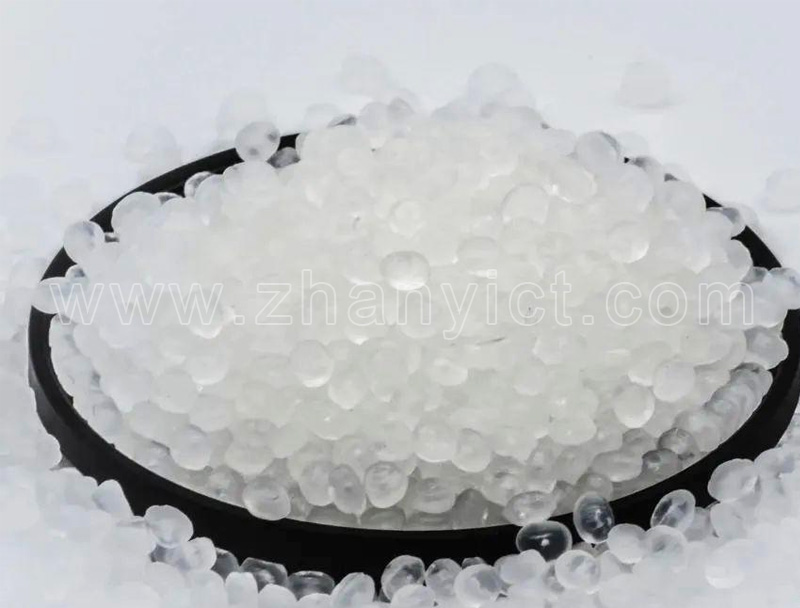
Color difference: Finished products made of virgin PP are clear and uniform. Natural white PP looks soft and translucent; colored virgin PP features pure color without specks or haze. https://www.zhanyict.com/en/ProductsDetail-VB-10425.html In contrast, products made from inferior recycled PP are generally greyish, yellowish and dull, with tiny black spots and impurity particles scattered on the surface. The material appears cloudy and opaque, and color inconsistency is prominent across batches.
Performance difference: Virgin PP can withstand temperatures up to 120°C. It is resistant to acids, alkalis and hydrolysis. After injection moulding, it has moderate toughness and is not prone to brittle cracking, suitable for daily hot water filling and dishwasher cleaning. https://www.zhanyict.com/en/ProductsDetail-VB-10425.html For inferior recycled PP, molecular chains are broken and impurities are mixed in. Its heat resistance drops to around 80°C. It tends to soften, deform and turn white under high temperature; toughness decreases sharply and cracks easily under stress.
Durability difference: Virgin PP water bottles can normally last for 2 to 3 years and resist aging and cracking under prolonged high-temperature use. https://www.zhanyict.com/en/ProductsDetail-VB-10425.html Inferior recycled PP will harden, turn brittle, develop whitening and surface flaking after only 3 to 6 months of use. Its service life is less than one-third that of virgin PP.
Hazards and consequences: Inferior recycled PP is blended with industrial waste and recycled fragments, containing residual plasticizers and heavy metal impurities. Leaching accelerates when exposed to hot water. https://www.zhanyict.com/en/ProductsDetail-VB-10425.html Long-term use may cause gastrointestinal discomfort, and such products are especially unsuitable for infants and children. This constitutes the main safety hazard found in low-priced children’s water bottles on the market.
Real case evidence: In 2024, the Guangdong Administration for Market Regulation conducted sampling tests on children’s PP straw cups sold around schools. https://www.zhanyict.com/en/ProductsDetail-VB-10425.html Among 21 low-priced products, 8 were manufactured by blending virgin material with inferior recycled PP. After hot water immersion, their overall migration exceeded the standard by 1.8–2.5 times. Trace heavy metal residues were detected in some items, which may harm children’s health with long-term use. All involved products were removed from shelves and recalled. (Source: 2024 Announcement on Quality Sampling Inspection of Children’s Daily Plastic Products in Guangdong Province.)
Meanwhile, industry cost data shows virgin PP raw material costs approximately RMB 8,000–9,000 per ton, while inferior recycled PP costs only RMB 3,000–4,000 per ton. https://www.zhanyict.com/en/ProductsDetail-VB-10425.html This huge price gap is the primary incentive for manufacturers to conduct illegal blending.
There are stories in the cup, and life has warmth. Choose a good factory to sell good water cups. We provide global OEM services for patented products and provide global OEM services with professional teams and high quality standards. Dongguan Zhan Yi Commodity Technology Co.,Ltd. specializes in high-quality cup and kettle products. We are willing to serve you wholeheartedly.