
How Much Do You Really Know About Recycled Materials in Drinkware? (Part 4)
There are stories behind every cup, and warmth in daily life. Hello everyone, welcome to "Dong Dong's Cup Talk". I wrote about recycled materials in the drinkware industry back in 2024. Though only two years have passed, I’ve realized my understanding of recycled materials in this sector back then was incomplete. https://www.zhanyict.com/en/ProductsDetail-VB-10475.htmlLike most people today, I held a misconception: any cup or vessel made from recycled materials is unsafe, unhealthy and inferior, and long-term use will harm human health.
Guided by this biased view, naturally, my previous articles contained inaccurate understandings. Over these two years, communicating with numerous clients, especially those from the European market, https://www.zhanyict.com/en/ProductsDetail-VB-10475.htmlhas helped me build a more comprehensive understanding of "recycled materials".
Now within major European procurement systems, particularly influential brands, cup and vessel products made from compliant recycled materials are strongly promoted. https://www.zhanyict.com/en/ProductsDetail-VB-10475.htmlBrands even include the proportion of recycled material usage as a core metric in their ESG environmental assessments.
So why is public perception so different from industry standards and global market trends when it comes to "recycled materials"? What is the fundamental difference between toxic, low-grade recycled scraps and high-end compliant recycled materials? For mainstream materials used in drinkware including PP, PC, AS, https://www.zhanyict.com/en/ProductsDetail-VB-10475.htmlsilicone and stainless steel, what exactly are the gaps in performance, safety and service life between virgin materials and recycled alternatives? Today, after in-depth analysis and extensive literature review, I revisit the topic of recycled materials. If you find this sharing helpful, don’t forget to give me a like.
Attention please! What are the hard truths about low-grade recycled materials used by unscrupulous manufacturers?
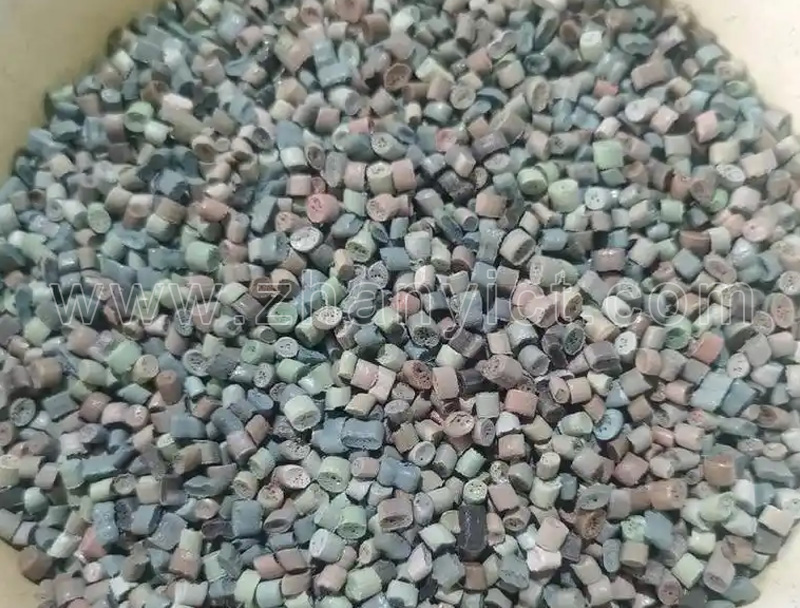
Over 90% of the so-called "toxic water bottles" and "inferior recycled-material bottles" on the market are made from unbranded recycled scraps simply processed by bad actors. Based on non-compliant drinkware cases uncovered by the State Administration for Market Regulation’s sampling inspections between 2024 and 2025, https://www.zhanyict.com/en/ProductsDetail-VB-10475.htmlthe raw materials of these low-grade recycled scraps are extremely jumbled with zero screening criteria:
1. Mixed with various industrial plastic offcuts, injection moulding waste and expired plastic raw materials;
2. Shredded scraps recycled from old water buckets, plastic pipes, industrial packaging plastics and discarded daily plastic goods;
3. Shredded material from used water bottles and broken tableware, mixed with aged, mouldy and contaminated waste;
4. Random blending of different plastic types, with unsorted PP, PC, AS and PS waste without component separation.
The biggest problems with such waste are non-removable impurities, residual harmful additives, chaotic material composition and severe aging. No detoxification, purification or sterilisation is performed during production. https://www.zhanyict.com/en/ProductsDetail-VB-10475.htmlWhen the finished bottles are filled with hot water, exposed to intense sunlight or used over long periods, heavy metals, plasticisers, hazardous monomers and other substances will continuously leach out, damaging the human metabolic system if consumed long-term.
A 2026 sampling inspection of popular low-priced glass cups sold online also reflects this chaos. A third-party lab randomly selected 50 items of cheap glass cups priced at 9.9 RMB with free shipping; heavy metal leaching exceeded limits in 32 samples. Traceability showed these glass cups were directly melted and shaped from waste broken glass and industrial glass offcuts without fine purification processes. https://www.zhanyict.com/en/ProductsDetail-VB-10475.htmlThe raw materials contained all kinds of industrial impurities, and harmful substances keep dissolving out when filled with plain water or acidic drinks in daily use. (Source: 2026 Sampling Inspection Data of Daily-use Glass Products)
The irregularities in the stainless steel sector are even more typical. In 2026, CCTV exposed a counterfeit vacuum flask industrial chain. Among 50 mainstream vacuum flasks sampled, 19 failed the test. 92% of non-compliant products had excessive heavy metal migration, https://www.zhanyict.com/en/ProductsDetail-VB-10475.htmland the manganese content in some products was up to 34 times the permitted limit. Unscrupulous manufacturers made these products using inferior recycled grade 201 industrial steel as a substitute for food-grade 304 stainless steel, stamping fake 304 marks for sale. Long-term use will impair the human metabolic system. (Source: 2026 CCTV Finance Quality Investigation Special Report)
There are stories in the cup, and life has warmth. Use the right cup and choose the right factory. We have dozens of patented cup and pot products and provide OEM services to the world. We have dozens of professional engineers who provide cup and pot product development services to the world. We have multiple complete current cup and pot product production lines to provide OEM services to the world. Dongguan Zhan Yi Commodity Technology Co.,Ltd. attaches great importance to contracts and quality. We welcome global merchants to conduct on-site factory inspections and in-depth cooperation.