
How to Choose Water Bottles for Primary School Students (Part 2 – The Follow-Up)
Every water bottle holds a story, and warmth fills our daily lives. Hello everyone, welcome back to "Dong Dong's Cup Talk"
In yesterday’s article, I shared tips on how to stop primary school kids from losing their water bottles, inspired by a viral short video. https://www.zhanyict.com/en/ProductsDetail-VB-10536.htmlDid those suggestions work for you? Feel free to leave a comment and let me know.
Figuring out the right water bottle for primary school children troubles countless parents. Many parents rely solely on word-of-mouth: they ask other caregivers which bottles their kids use, hear glowing reviews, then buy the exact same one, thinking it must be safe if other children use it without issues. Other parents research all kinds of information to make their decisions. https://www.zhanyict.com/en/ProductsDetail-VB-10536.htmlToday, drawing on over a decade of experience working in the water bottle industry, I’ll walk parents through several key criteria to deliver practical, valuable advice. There’s quite a lot to cover, so I’ll split the content into multiple installments. Hit the follow button on Dongdong Talks Bottles if you want instant access to all future updates.
Before diving into the details, I have one crucial piece of advice to lead with: when buying water bottles for primary students, prioritize the right one, https://www.zhanyict.com/en/ProductsDetail-VB-10536.htmlnot the priciest one. Of course, if you’re extremely wealthy and want to get your child a gold water bottle, that’s entirely your call—just don’t grieve too much when it goes missing!!!
First and foremost, material safety is non-negotiable. Let’s start with plastic and stainless steel options.
Water bottles for schoolchildren aren’t just for cold water; most parents fill them with warm or boiling water, creating drastic temperature shifts. https://www.zhanyict.com/en/ProductsDetail-VB-10536.htmlKids also constantly drop and knock their bottles around. Therefore, the material must meet three mandatory standards: free of harmful substances, resistant to temperature fluctuations, and shatterproof.
2. Stainless Steel Vacuum Flasks – A Critical Reminder for All Parents
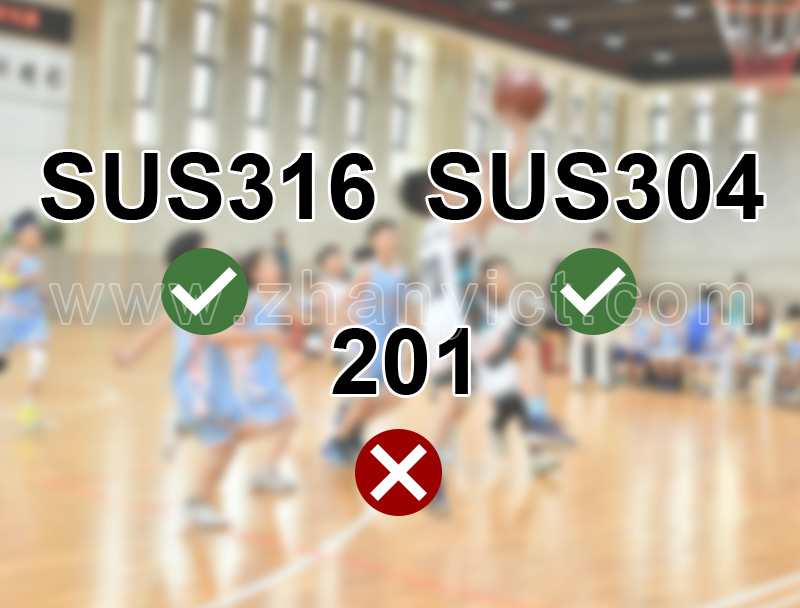
Only pick bottles lined with food-grade 304 or 316 stainless steel. Steer clear of 201 stainless steel entirely.
Vacuum flasks are essential for school in winter, and the inner liner material directly impacts drinking safety. Per the national food safety standard GB 4806.9-2023, https://www.zhanyict.com/en/ProductsDetail-VB-10536.htmlonly stainless steel marked food-contact grade 304 or 316 is suitable for children.
- 304 Stainless Steel: The standard food-grade option with qualified chromium and nickel ratios. It resists corrosion when filled with plain cold or warm water and releases no heavy metals under regular use. https://www.zhanyict.com/en/ProductsDetail-VB-10536.htmlOffering unbeatable cost performance, it fully meets the daily needs of most primary school students.
- 316 Stainless Steel: An upgraded version of 304 with added molybdenum. It boasts superior resistance to acids, alkalis, and chloride ions. You won’t have to worry about corrosion or metal leaching if you occasionally fill it with lemon water or weak tea. It delivers better stability against high temperatures and corrosion, https://www.zhanyict.com/en/ProductsDetail-VB-10536.htmlmaking it ideal for active children who often brew fruit drinks or tea. It also has stronger impact resistance than 304. Note that most brands and bottle manufacturers use 316 stainless steel for flask liners, while the outer shells are mostly made of 304 or 201 stainless steel.
Never purchase flasks with 201 stainless steel liners: This is industrial-grade steel with excessive manganese content. Extended exposure to hot water or acidic liquids causes manganese heavy metals to leach out, damaging children’s nervous systems. https://www.zhanyict.com/en/ProductsDetail-VB-10536.htmlMany cheap, uncertified no-brand vacuum flasks cut costs by using 201 liners. If you want to learn how to tell the difference, check out my earlier posts for a full breakdown.
There are stories in the cup, life has warmth, use a good cup to enjoy a healthy life. We provide OEM business to more than 100 companies around the world, and produce more than 3 million pieces of various stainless steel/plastic cups and pots annually. Honoring promises, keeping reputation, ensuring quality and quantity, and delivering on time are our service principles and our professional commitment. Dongguan Zhan Yi Commodity Technology Co.,Ltd. welcomes global merchants to conduct on-site factory inspections and in-depth cooperation.