
How to Choose Water Bottles for Primary School Students (Part 2 – Section One)
Every water bottle holds a story, and warmth fills our daily lives. Hello everyone, welcome back to "Dong Dong's Cup Talk"
In yesterday’s post, I shared tips on preventing primary school kids from losing their water bottles based on a viral short video. https://www.zhanyict.com/en/ProductsDetail-VB-10532.htmlDid those tips bring you any help? Feel free to leave a comment and let me know.
Picking suitable water bottles for young primary students is a big headache for many parents. https://www.zhanyict.com/en/ProductsDetail-VB-10532.htmlMost parents tend to rely on word-of-mouth recommendations: they ask other parents which bottles their children use and hear nothing but praise, then buy the exact same ones, thinking they are safe enough if other kids use them without trouble.
Other parents look up all kinds of information to make informed choices. Today, with over a decade of experience in the water bottle industry, I’m going to share several key selection criteria for all parents, hoping my insights can bring you real practical value. https://www.zhanyict.com/en/ProductsDetail-VB-10532.htmlThere is a lot of content to cover, so I will split it into multiple articles. Follow Dongdong Talks Bottles if you wish to catch all updates and get the full guide as soon as they come out.
Before we dive into details, I have one vital piece of advice to state upfront: when buying water bottles for primary school kids, choose the right one instead of the most expensive one. https://www.zhanyict.com/en/ProductsDetail-VB-10532.htmlIf you happen to be extremely wealthy and insist on a gold water bottle for your child, that’s totally up to you—just don’t feel heartbroken if it gets lost!!!
Material safety always comes first. I will break down plastic and stainless steel materials one by one.
Kids’ water bottles are not only for cold water. Most parents fill them with warm or boiling water, which creates drastic temperature swings. It’s also normal for children to drop or bump their bottles all the time. https://www.zhanyict.com/en/ProductsDetail-VB-10532.htmlTherefore, the material must satisfy three non-negotiable requirements at once: free of hazardous substances, resistant to temperature changes, and drop-proof.
(1) Plastic Water Bottles
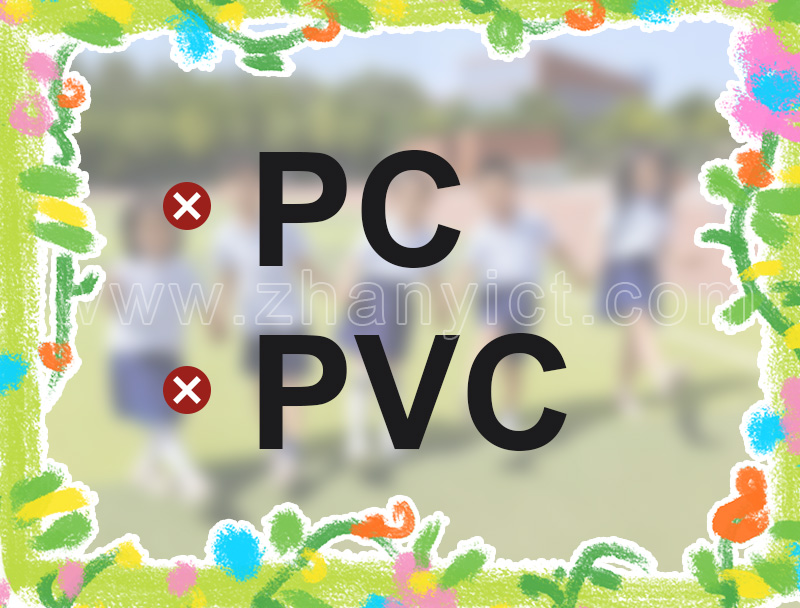
I recommend sticking to three material types and avoiding PC plastic entirely.
According to safety guidelines for school supplies issued by the State Administration for Market Regulation and local consumer councils, PP, Tritan and PPSU are the top three plastic materials for children’s water bottles. https://www.zhanyict.com/en/ProductsDetail-VB-10532.htmlAll three are completely BPA-free and will not release toxic substances when filled with hot boiling water.
- PP Plastic (marked with number 5 at the bottle bottom)
It withstands temperatures up to 120°C, so boiling water and steam disinfection are theoretically safe. Still, I do not recommend steam sterilization. Dishwasher cleaning works great, and a disinfection cabinet is even better. https://www.zhanyict.com/en/ProductsDetail-VB-10532.htmlPP is lightweight, shatter-resistant and budget-friendly. Its only minor downside is mediocre transparency (as I was writing this article, I found high-transparency PP materials are now available). It is the top pick for basic daily school bottles.
- Tritan Copolyester (marked number 7 with BPA-free label)
It features high clarity and an attractive appearance, with strong resistance to drops and knocks. It tolerates boiling water up to 100°C and rarely cracks under sudden temperature shifts, https://www.zhanyict.com/en/ProductsDetail-VB-10532.htmlstaying stable for both hot and cold liquids. It is the mainstream plastic material for kids’ bottles worldwide, especially popular for plastic drinkware sold in European and American markets.
- PPSU
It delivers the best high-temperature resistance, enduring up to 180°C. Extremely sturdy and drop-resistant, https://www.zhanyict.com/en/ProductsDetail-VB-10532.htmlit never deforms after repeated high-temperature sterilization. It has an amber translucent look and boasts the highest safety rating among plastics, though it comes with a higher price tag. Go for PPSU if you prioritize maximum safety.
Critical Warning: Steer Clear of PC Plastic
PC plastic is the old version of No.7 plastic. China has explicitly banned PC from being used in food-contact containers for children. https://www.zhanyict.com/en/ProductsDetail-VB-10532.htmlThis material releases BPA under high heat. Long-term intake of BPA disrupts children’s endocrine systems and hinders nervous system development. No matter how cheap or good-looking PC bottles are, never buy them for primary students.
In addition, check the materials of bottle lids, straws and sealing gaskets as well. https://www.zhanyict.com/en/ProductsDetail-VB-10532.htmlOnly food-grade silicone is acceptable. PVC rubber gaskets leach plasticizers and must be avoided at all costs.
There are stories in the cup, and life has warmth. Use the right cup and choose the right factory. We have dozens of patented cup and pot products and provide OEM services to the world. We have dozens of professional engineers who provide cup and pot product development services to the world. We have multiple complete current cup and pot product production lines to provide OEM services to the world. Dongguan Zhan Yi Commodity Technology Co.,Ltd. attaches great importance to contracts and quality. We welcome global merchants to conduct on-site factory inspections and in-depth cooperation.