
What You Need to Know About Food-Grade Plastic Materials? (Part VII)
There are stories in every cup, and warmth in everyday life. Hello everyone, "Dong Dong's Cup Talk" is here! Recently, I came across some official media discussing health and food safety concerns related to the plastic materials used in disposable plastic meal boxes and cups. https://www.zhanyict.com/en/ProductsDetail-VB-10155.htmlI thought this would be a great opportunity to dive deep into the food-grade plastic materials we use in our factory's daily production.
To ensure you trust that this content isn’t just made up, I’ve invited Engineer Li, who has worked for many years at an internationally renowned quality inspection agency, to share his insights. https://www.zhanyict.com/en/ProductsDetail-VB-10155.htmlMost of the international safety inspections for the plastic products our factory produces are handled by Engineer Li’s company.
Hello, I’m Engineer Li, though most people prefer to call me Li. I’ve been working in plastic material quality inspection for over 15 years. My daily job involves handling various plastic materials used to produce items that come into contact with food—from baby bottles to lunch boxes, and from water cups to disposable utensils. https://www.zhanyict.com/en/ProductsDetail-VB-10155.htmlAs frontline inspectors, we analyze these products inside and out. I’m also a mother, and because I work with plastics every day, I’m extra cautious when choosing daily-use items for my child and family. Today, I’d like to take this opportunity to have a thorough chat about the plastic products we use every day.
III. How to Quickly Identify and Use Plastic Products Safely?
As consumers, we don’t need laboratory equipment. https://www.zhanyict.com/en/ProductsDetail-VB-10155.htmlJust remember these tips:
Step 1: Look for the “ID Card”—The Plastic Recycling Symbol
Find the triangular recycling symbol on the bottom of the product. The number inside is its "ID number."
- No. 5 PP (Polypropylene): A safe choice. https://www.zhanyict.com/en/ProductsDetail-VB-10155.htmlSuitable for microwave heating (but it’s best to avoid high-fat foods and prolonged heating).
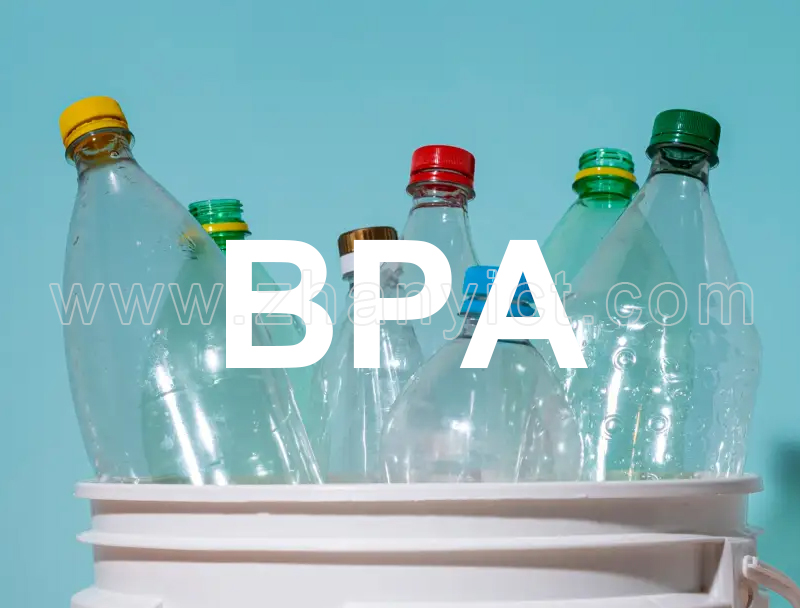
- No. 7 OTHER: A category requiring extra caution! This is a "miscellaneous" group that includes PC, PPSU, Tritan™, and others.
How to differentiate? Check the material description! Reputable products will clearly label “PPSU,” “Tritan™,” or “BPA-free.” If it only says “No. 7” without any explanation, or if the material feels hard, transparent like glass, https://www.zhanyict.com/en/ProductsDetail-VB-10155.htmland is cheap, it’s likely PC. In such cases, it’s best to avoid it entirely.
- No. 1 PET (Polyethylene Terephthalate): Intended for single use. https://www.zhanyict.com/en/ProductsDetail-VB-10155.htmlDiscard after drinking, and avoid refilling it with water.
- No. 6 PS (Polystyrene): Avoid using it for hot food or microwave heating.
There are stories in the cup, and life has warmth. Choose a good factory to sell good water cups. We provide global OEM services for patented products and provide global OEM services with professional teams and high quality standards. Dongguan Zhan Yi Commodity Technology Co.,Ltd. specializes in high-quality cup and kettle products. We are willing to serve you wholeheartedly.