
What You Need to Know About Food-Grade Plastic Materials? (Part VI)
There are stories in every cup, and warmth in everyday life. Hello everyone, "Dong Dong's Cup Talk" is here! Recently, I came across some official media discussing health and food safety concerns related to the plastic materials used in disposable plastic meal boxes and cups. https://www.zhanyict.com/en/ProductsDetail-VB-10235.htmlI thought this would be a great opportunity to dive deep into the food-grade plastic materials we use in our factory's daily production.
To ensure you trust that this content isn’t just made up, I’ve invited Engineer Li, who has worked for many years at an internationally renowned quality inspection agency, https://www.zhanyict.com/en/ProductsDetail-VB-10235.htmlto share his insights. Most of the international safety inspections for the plastic products our factory produces are handled by Engineer Li’s company.
Hello, I’m Engineer Li, though most people prefer to call me Li. I’ve been working in plastic material quality inspection for over 15 years. My daily job involves handling various plastic materials used to produce items that come into contact with food—from baby bottles to lunch boxes, and from water cups to disposable utensils. https://www.zhanyict.com/en/ProductsDetail-VB-10235.htmlAs frontline inspectors, we analyze these products inside and out. I’m also a mother, and because I work with plastics every day, I’m extra cautious when choosing daily-use items for my child and family. Today, I’d like to take this opportunity to have a thorough chat about the plastic products we use every day.
II. The "Devil" at High Temperatures—Bisphenol A (BPA) and Other Harmful Substances
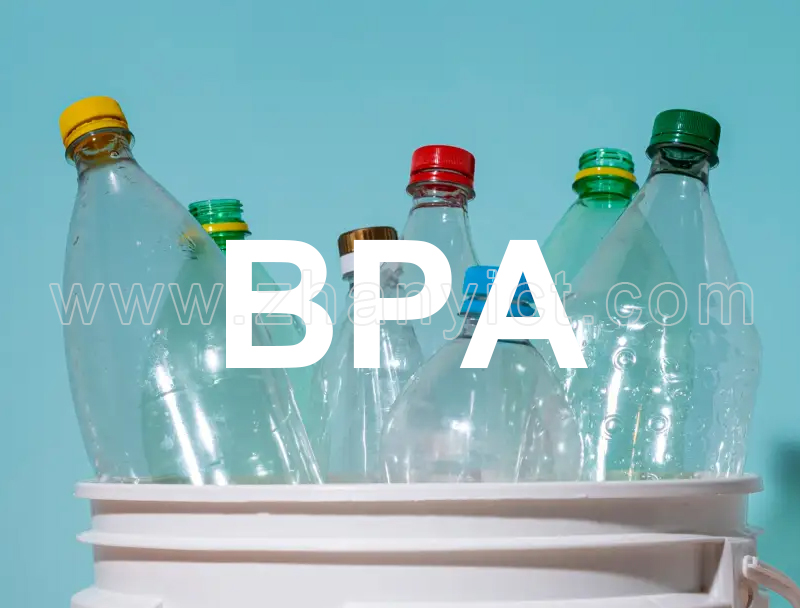
Core Question: Which materials release BPA at high temperatures?
Primary High-Risk Material: PC (Polycarbonate)
Initial Release Temperature:
While there is no absolute precise "boiling point," extensive research indicates that when temperatures exceed 60–80°C, the rate and amount of residual BPA leaching from PC materials increase significantly. https://www.zhanyict.com/en/ProductsDetail-VB-10235.htmlUsing a PC cup for hot water is akin to "drinking" BPA.
Hazards of Long-Term Use of Overheated Products (Not Limited to BPA):
- Endocrine Disruption: BPA is a typical environmental hormone that mimics human estrogen, disrupting normal hormone levels. https://www.zhanyict.com/en/ProductsDetail-VB-10235.htmlThis can seriously affect children's growth, development, and reproductive health.
- Increased Cancer Risk: Long-term exposure may elevate the risk of hormone-related cancers such as breast and prostate cancer.
- Neurological Effects: Linked to children's hyperactivity and reduced learning ability.
- Other Health Issues: Styrene leaching from PS may harm the liver and nervous system, while antimony leaching from PET is also detrimental to health.
Warning to Businesses/Sellers:
I have handled numerous cases where plastic tableware exported to the EU or North America was detained or destroyed by customs due to excessive BPA levels or the use of prohibited materials. https://www.zhanyict.com/en/ProductsDetail-VB-10235.htmlSuch incidents often result in hefty fines and devastating blows to brand reputation. This is by no means an exaggeration.
There are stories in the cup, and life has warmth. Use the right cup and choose the right factory. We have dozens of patented cup and pot products and provide OEM services to the world. We have dozens of professional engineers who provide cup and pot product development services to the world. We have multiple complete current cup and pot product production lines to provide OEM services to the world. Dongguan Zhan Yi Commodity Technology Co.,Ltd. attaches great importance to contracts and quality. We welcome global merchants to conduct on-site factory inspections and in-depth cooperation.