
Unveiling the Facts About Food-Grade Plastic Materials (Part II)
Every cup has a story, and life has its warmth. Hello everyone, "Dong Dong's Cup Talk" is here. Recently, I came across discussions on official media about the health and food safety concerns regarding plastic materials used in disposable plastic meal boxes and water cups. https://www.zhanyict.com/en/ProductsDetail-VB-10475.htmlSo, I thought, why not take this opportunity to thoroughly analyze all the food-grade plastic materials used in my factory's daily production?
To ensure everyone trusts that this content isn't fabricated, I’ve invited Engineer Li, who has years of experience working at an internationally renowned quality inspection agency, to share his insights. https://www.zhanyict.com/en/ProductsDetail-VB-10475.htmlIn our daily operations, most of the international safety inspections for our factory's plastic products are conducted by the company Engineer Li works for.
Hello everyone, I'm Engineer Li, though I’m usually just called Li. I’ve been working in plastic material quality inspection for over fifteen years. My daily job involves working with various plastic materials used to produce items that come into contact with food, from baby bottles to lunch boxes, and from water cups to disposable utensils. https://www.zhanyict.com/en/ProductsDetail-VB-10475.htmlAs a frontline inspector, I analyze these products inside and out. At the same time, I’m also a mother. Because I work with plastics every day, I am extra cautious when selecting everyday items for my child and family. Today, I’d like to take this opportunity to talk in detail about the plastic products we use every day.
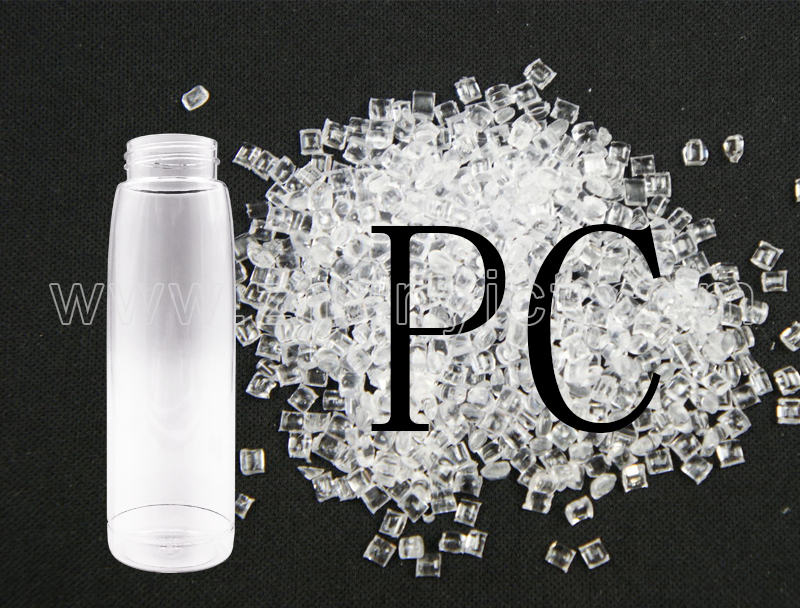
PC (Polycarbonate) – "The Former Hero, Now a Controversial Figure"
Characteristics: High transparency, extremely durable, https://www.zhanyict.com/en/ProductsDetail-VB-10475.htmland impact-resistant, PC was once a favorite for sports bottles and baby bottles.
Fatal Drawback: The raw material may contain Bisphenol A (BPA). When exposed to high temperatures (typically above 60–80°C) or strong acids or alkalis, https://www.zhanyict.com/en/ProductsDetail-VB-10475.htmlBPA can leach into food and beverages.
Real-Life Example: Between 2008 and 2011, many countries worldwide, such as Canada, the European Union, and China, banned the use of PC materials containing BPA in the production of baby bottles. https://www.zhanyict.com/en/ProductsDetail-VB-10475.htmlThis was because extensive research confirmed that BPA could disrupt endocrine functions, affect the neurological development of infants and young children, and even be linked to early puberty, obesity, and an increased risk of cancer.
Current Situation: Today, most reputable products for infants and young children have phased out PC materials. However, some inexpensive water cups, https://www.zhanyict.com/en/ProductsDetail-VB-10475.htmlsports bottles, and takeout containers may still be using them covertly.
There are stories in the cup, life has warmth, use a good cup to enjoy a healthy life. We provide OEM business to more than 100 companies around the world, and produce more than 3 million pieces of various stainless steel/plastic cups and pots annually. Honoring promises, keeping reputation, ensuring quality and quantity, and delivering on time are our service principles and our professional commitment. Dongguan Zhan Yi Commodity Technology Co.,Ltd. welcomes global merchants to conduct on-site factory inspections and in-depth cooperation.