
Unveiling the Insights About Dishwasher Testing for Water Bottle Exports? Part 5
Every cup has a story, and life has its warmth. Hello everyone, and welcome to "Dong Dong's Cup Talk" I’ve previously shared information about dishwasher testing for water bottles. https://www.zhanyict.com/en/ProductsDetail-VB-10506.htmlHowever, as time has passed, advancements in manufacturing processes and updates in testing requirements have made some of the earlier content outdated. Recently, a friend reached out to me with questions about this topic, so I’ve invited Engineer Li, who has years of expertise in spraying and printing technologies at our factory, to share his insights.
The following content is based on Engineer Li’s explanations, compiled and organized by me. Due to the depth of the topic, I’ll break it down into several standalone articles. https://www.zhanyict.com/en/ProductsDetail-VB-10506.htmlAlso, given the volume of information, there might be occasional data inaccuracies in my compilation. If you spot any, please feel free to message me privately, and I’ll make corrections as soon as possible.
6. Powder Coating Failed? Here’s Lao Li’s "Solution Package"
If your powder coating failed to withstand 20 dishwasher test cycles, don’t panic. Follow these steps, and you’ll likely resolve 90% of the issues:
Step 1: Change the Material (Address the Root Cause)
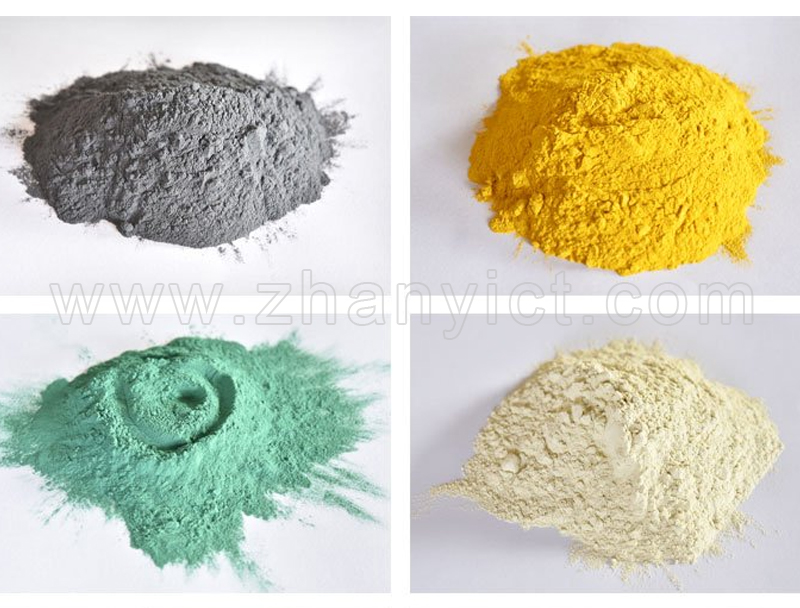
- Take Immediate Action: Replace your current powder with dishwasher-grade "high-performance epoxy" or "super-durable polyester" powder. https://www.zhanyict.com/en/ProductsDetail-VB-10506.htmlDon’t cut corners—though it may cost a few thousand more per ton, it will save your orders.
- Technical Parameters: Focus on the powder’s Tg (glass transition temperature). Opt for powders with a Tg above 120°C for better heat resistance.
Step 2: Check Pre-Treatment (Lay the Foundation)
- Inspect the Process: Review your pre-treatment line (degreasing, rinsing, and chromatizing/phosphating). Ensure the chromatizing layer is uniform. Inadequate cleaning or a thin chromatizing film can inherently weaken adhesion.
- Improvement Methods: Increase the temperature and concentration of the degreasing tank; https://www.zhanyict.com/en/ProductsDetail-VB-10506.htmlregularly test the parameters of the chromatizing solution; ensure thorough rinsing with no residue.
Step 3: Optimize the Process (Enhance Effectiveness)
- Curing Conditions: This is absolutely critical! Many issues arise from incomplete curing. Use an oven temperature tracker to verify that the actual temperature of the cup reaches and maintains around 200°C for no less than 12 minutes. If the temperature is too low or the time is too short, the powder won’t fully cross-link, https://www.zhanyict.com/en/ProductsDetail-VB-10506.htmland it will fail as soon as it’s exposed to washing.
- Coating Thickness: Use a thickness gauge to ensure the coating is between 60-80μm. If it’s too thin, it won’t provide enough protection; if it’s too thick, internal stress can build up and cause cracking.
There are stories in the cup, and life has warmth. Use the right cup and choose the right factory. We have dozens of patented cup and pot products and provide OEM services to the world. We have dozens of professional engineers who provide cup and pot product development services to the world. We have multiple complete current cup and pot product production lines to provide OEM services to the world. Dongguan Zhan Yi Commodity Technology Co.,Ltd. attaches great importance to contracts and quality. We welcome global merchants to conduct on-site factory inspections and in-depth cooperation.